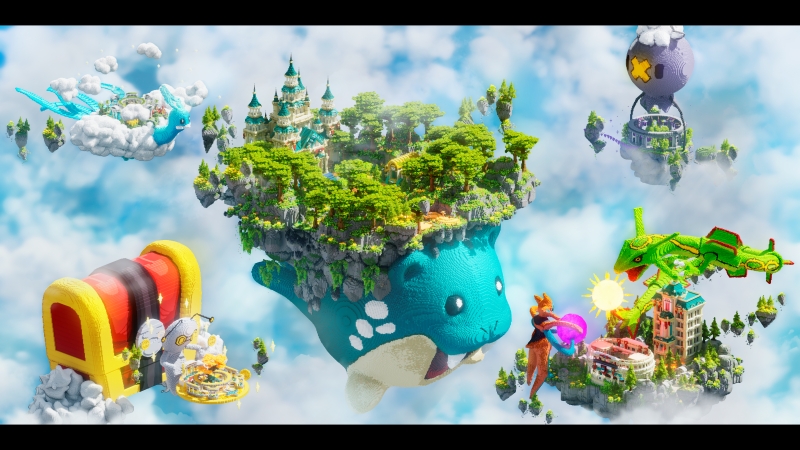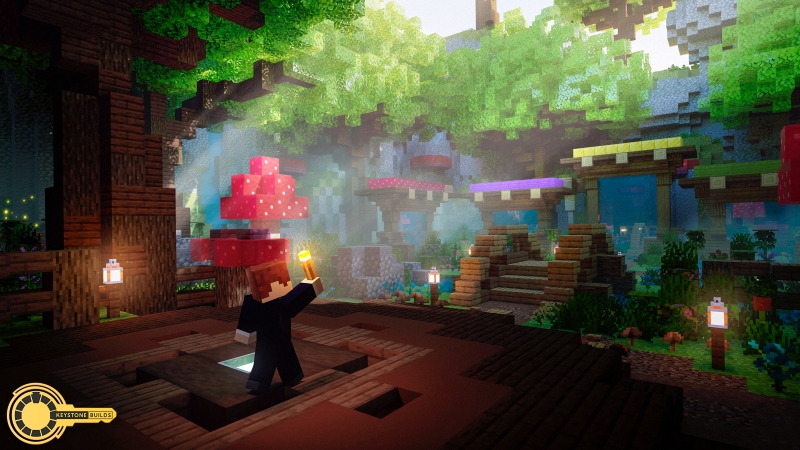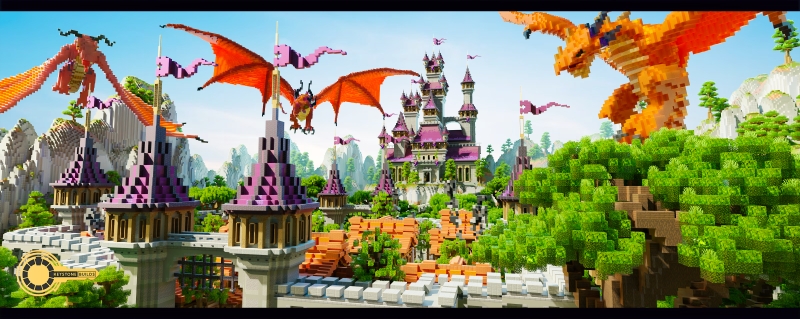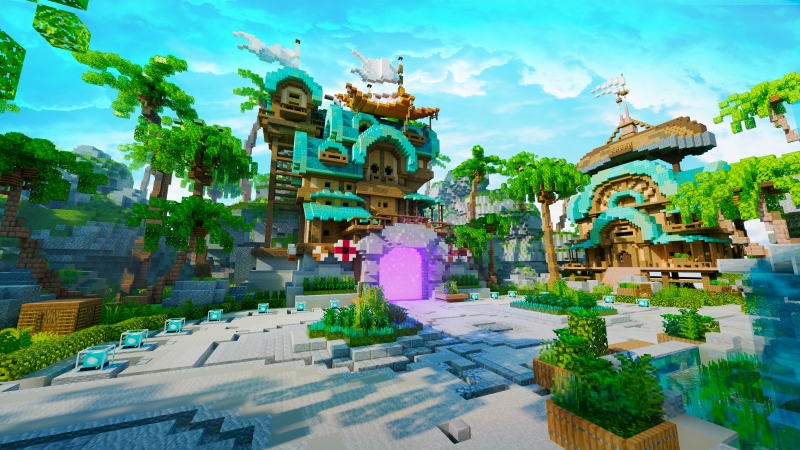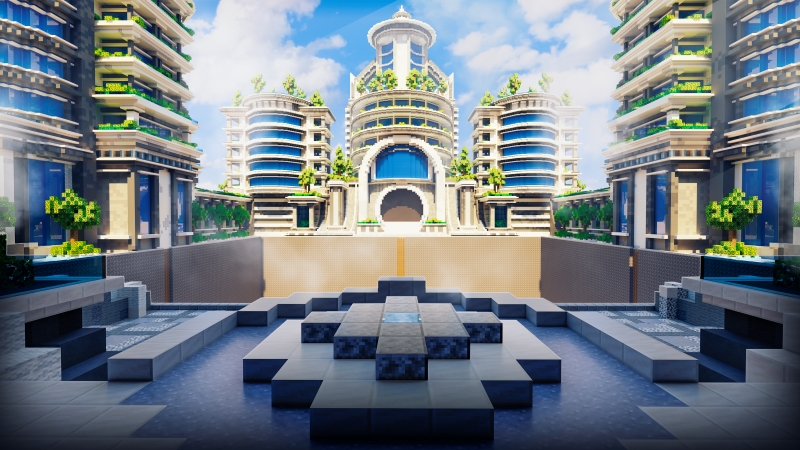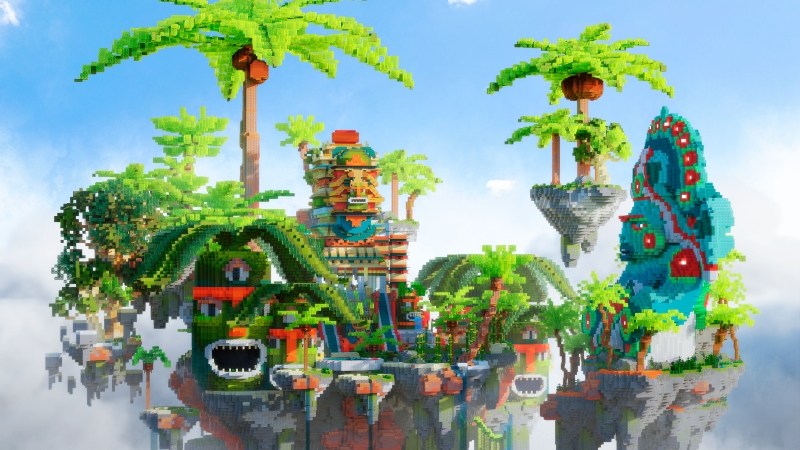
Every Minecraft server starts somewhere. Maybe it’s a single world, a few friends, and a big idea. But as the community grows and new game modes, events, and plugins arrive, many servers hit a familiar wall — the hub just can’t keep up.

That’s where smart server hub planning Minecraft strategies come in. A well-planned hub isn’t just a central spawn; it’s a foundation that supports long-term expansion. It organizes your content, communicates your brand, and scales with your ambitions.
The problem is that most servers don’t plan for growth. They design a hub that works for now but falls apart later. New portals clutter the area, signboards multiply, and players start getting lost. What used to feel clean and immersive becomes crowded and confusing.
In this guide, we’ll show you how to design a hub that grows with you — one that’s modular, navigable, and futureproof. Whether you’re just launching or preparing to expand, these principles of server hub planning Minecraft will help you build something that lasts.
A Good Hub Isn’t Just Central — It’s Scalable
Your hub is more than a meeting point; it’s the heartbeat of your world. It’s where players spawn, gather, and make their first decisions. But too often, hubs are built as static monuments — pretty, but inflexible.
Scalability means your hub can evolve without losing structure. It’s not just about size; it’s about adaptability. A scalable hub can add new portals, features, or event spaces naturally, without breaking immersion or confusing navigation.
When you think about server hub planning Minecraft, you’re really thinking about how your players will experience your server months or years from now.
If your design can’t grow with your server, you’ll eventually face the painful decision of rebuilding from scratch — a process that risks losing progress, player familiarity, and world identity.
The best hubs feel like living architecture. They can expand effortlessly, maintaining cohesion while introducing new content. That’s what separates hobby projects from professional-level worlds.
What Makes a Scalable Hub
Scalable hubs don’t happen by accident. They’re designed with intention, using spatial logic, modular architecture, and forward-thinking structure. If your goal is to create a world that grows without chaos, here’s what matters most in server hub planning Minecraft.
Space for New Portals, Signs, and Zones
Every hub should start with blank space in mind — even if you don’t fill it yet. Think of it as “future real estate.”
Leave open plazas, unused corridors, or empty alcoves where new portals and game mode entrances can go later. These spaces shouldn’t look unfinished; they should look like deliberate design choices waiting to come alive.
The trick is to make potential expansion areas blend seamlessly with the current layout. That way, when new content launches, it feels natural — not like a tacked-on addition.
Modular Layout That Doesn’t Overwhelm
A modular hub is structured in sections that can be added or removed independently. This design style gives you maximum flexibility for future updates.
For example, your main spawn might connect to three primary zones: survival, creative, and events. Each of those can expand into new subzones later without altering the core hub.
The key is balance — your hub should feel spacious but not empty. Players should have room to move, but still know where they’re going.
Effective server hub planning Minecraft designs use patterns like symmetry, concentric circles, or quadrant layouts to make future scaling easier.
Easy to “Skin” for Themes or Holidays
The best hubs are adaptable visually too. Whether you’re celebrating Halloween, Christmas, or an anniversary event, you should be able to “reskin” your hub without tearing it apart.
This means using clear, replaceable materials — banners, carpets, hanging lanterns, or particle effects — that can be swapped to match seasonal moods.
When your architecture supports thematic customization, your world stays fresh all year long without needing major rebuilds. It’s one of the most powerful yet overlooked aspects of server hub planning Minecraft.
Infrastructure That Anticipates Growth
Behind every successful server hub is invisible structure — the backend planning that allows expansion without chaos. The smartest servers prepare for the future long before it arrives.
These infrastructure ideas can help you anticipate growth and maintain order, no matter how big your world gets.
Hidden Doors or Portals for Future Areas
One of the cleverest design tricks is to include inactive doors, staircases, or archways that look like part of the environment — but can later lead to new zones.
Players notice these elements subconsciously and accept them as part of the world’s architecture. When they suddenly open one day to reveal new content, it feels like a natural evolution.
Hidden expansion points are one of the hallmarks of professional server hub planning Minecraft. They let your hub grow gracefully instead of haphazardly.
Flexible Plugin Zones
Your plugin configuration should evolve as easily as your builds. Reserve empty regions or “placeholder” portals linked to command blocks, NPCs, or holograms that can be activated when needed.
For example, a signpost labeled “Coming Soon” near a decorative portal can later transform into a fully functional warp. Players recognize the continuity and appreciate that the server is expanding dynamically.
Flexible infrastructure turns growth into storytelling rather than disruption.
NPC Hubs for New Game Modes
NPC-based hubs offer another layer of scalability. Instead of cluttering your space with portals, you can introduce NPCs who represent new areas or features.
This technique is common in large-scale server hub planning Minecraft projects because it feels immersive and keeps the environment uncluttered.
Each NPC can have its own style, dialogue, and role, making them part of your server’s evolving lore. As your game modes multiply, your hub remains visually calm but functionally rich.
Avoiding the “Too Big, Too Soon” Problem
While scalability is essential, going too big too early can backfire. Many servers make the mistake of designing enormous hubs before they have the player base to fill them. The result? A world that feels empty, cold, and intimidating.
Growth planning doesn’t mean overbuilding — it means building strategically. The goal is to start simple but leave clear space for evolution.
Here’s how to avoid the biggest pitfalls of server hub planning Minecraft while keeping your world accessible and engaging from day one.
Start Simple, but Make It Expandable
Your hub doesn’t need ten portals at launch. Start with three or four core features and mark the rest as “coming soon.”
This approach keeps players curious without overwhelming them. It also lets you roll out new zones gradually, creating excitement and momentum.
Each addition should feel like a milestone — a sign of growth that players can celebrate. Think of your hub as a story unfolding over time.
Use Landmarks for Orientation
Players navigate by recognition, not by reading. Clear landmarks help them form mental maps of your world, making it easier to remember where everything is.
Use statues, fountains, unique trees, or color-coded architecture to distinguish areas. When players can describe locations with phrases like “by the tower” or “behind the crystal arch,” you know your hub’s navigation is working.
Strong landmarks also simplify future updates. You can say “a new portal opened near the lighthouse” — and everyone immediately knows where that is.
Keep Early Game Features Front and Center
Your hub’s core purpose is to help players get started quickly. Spawn zones, shops, rules, and portals to major worlds should always be near the center — within the first few seconds of spawn visibility.
New players shouldn’t have to wander to find basic functions. As you expand, push advanced features outward while keeping essential ones central.
This layered approach creates intuitive growth. It’s one of the defining characteristics of professional server hub planning Minecraft design.
Choose a Hub That Grows With Your Server
Futureproofing your world doesn’t have to be complicated. You just need a hub built by people who understand both creative design and functional scalability.
At Keystone Builds Collections, every hub we create is designed for evolution. Our modular layouts allow for effortless expansion, whether you’re adding new game modes, portals, or event zones.
Each hub includes:
- Space for additional portals and signage
- Logical, symmetrical structure for scalability
- Thematic architecture that adapts to any server style
- Navigation tested for clarity and player retention
We understand what it takes to grow — because we’ve built worlds for servers that scaled from 10 players to 10,000.
A great hub isn’t just where your journey starts. It’s where your community thrives, expands, and keeps coming back.
Explore Keystone Builds Collections today and find a modular hub that grows with your vision. Because in the world of server hub planning Minecraft, the best way to prepare for the future is to design it from the very start.