Not every Minecraft server needs to be massive. In fact, some of the best ones aren’t. Across the community, Minecraft microservers are quietly becoming one of the biggest shifts in multiplayer gaming. They’re intimate, tightly managed, and personal — worlds where ten players can feel like a hundred because every interaction matters.

In a time when mega-networks dominate the charts, microservers are redefining what it means to create a meaningful Minecraft experience. They focus on connection instead of chaos, creativity instead of competition, and authenticity instead of automation.
If you’ve ever thought about starting a Minecraft world but felt overwhelmed by the idea of managing hundreds of players, this might be your moment. Minecraft microservers prove that you don’t need thousands of players to create something special. You just need a clear vision, a small group of engaged players, and a world built with care.
Let’s explore what makes microservers so appealing, how they differ from traditional setups, and how you can design one that thrives.
What Is a Microserver?
A microserver is exactly what it sounds like — a smaller Minecraft server, usually capped between 5 and 30 active players at a time. These worlds are built for intimacy and focus rather than scale.
Unlike large networks with dozens of gamemodes, Minecraft microservers typically offer one or two carefully curated experiences. This could be a simple survival realm with RPG elements, a custom story-based adventure, or even a cozy roleplay world where community bonds matter more than gear.
A true microserver has three defining traits:
- Small player count – A close-knit community, not a crowd.
- Focused gameplay – One or two modes done extremely well.
- Personal atmosphere – A theme, story, or aesthetic that makes the world feel handcrafted.
Instead of stretching your attention across endless systems, a microserver allows you to polish every detail — from custom builds and plugins to social dynamics. It’s like hosting a digital neighborhood rather than managing a city.
Why Microservers Are Trending
There’s a reason Minecraft microservers have exploded in popularity. The trend isn’t just about server size — it’s about shifting player expectations. As online gaming matures, players are craving meaningful interaction and creative collaboration more than ever.
Here are the main forces driving the rise of microservers in 2025.
Easier to Manage
Running a massive Minecraft network requires a team: developers, moderators, advertisers, and builders. But microservers strip that down to essentials. You can manage a small, private community on your own or with a few trusted friends.
Smaller servers mean fewer plugin conflicts, simpler backups, and more creative control. You can update, rebuild, or reset whenever you want without endless bureaucracy. For creators who value flexibility, Minecraft microservers are a dream come true.
Players Crave Intimacy and Attention
In big servers, players often feel invisible. On a microserver, everyone matters. Every build, joke, and event carries weight. Players form friendships, share resources, and shape the world together.
This sense of belonging is one of the biggest psychological draws of Minecraft microservers. People return not just for gameplay, but for connection — the feeling of being known and remembered.
When you can greet every player by name and recognize their contributions, you’re no longer running a server — you’re leading a community.
Influencers and Private Communities
Another reason microservers are trending is visibility. Content creators and influencers are increasingly hosting private, whitelisted communities. Instead of public chaos, these creators curate smaller, story-driven worlds for fans and collaborators.
This has made Minecraft microservers aspirational. Players see YouTubers and streamers building cozy villages, custom RPG stories, or modded roleplay servers and want to replicate that experience on a smaller scale.
Even outside of influencer culture, this model works. Many friend groups now run their own “micro SMPs,” balancing private play with public storytelling.
Design for Intimacy, Not Scale
Designing a microserver isn’t just about limiting player count — it’s about crafting a world that feels alive and personal. Every decision should reinforce connection, not separation.
When you design with intimacy in mind, your players won’t just log in; they’ll belong.
Cozy Spawns That Feel Like Home
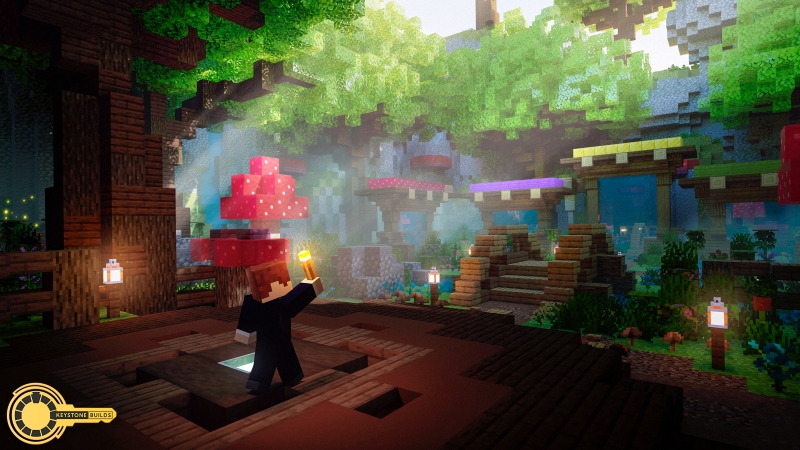
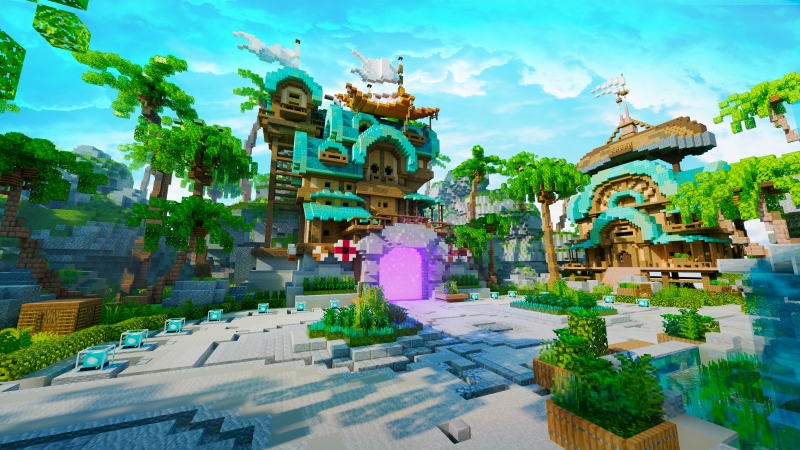
Forget sprawling hubs and flashy portals. A microserver doesn’t need a giant spawn area — it needs warmth and purpose. Players should spawn into a space that feels lived in, not sterile.
Use detailed interiors, soft lighting, and clear paths that encourage exploration. Add message boards, shared gardens, or starter houses to set a welcoming tone.
The best Minecraft microservers use spawn areas that act as social hubs — small enough for players to see each other, but detailed enough to inspire imagination.
Shared Housing and Collaboration
Microservers thrive when players build together. Design your world around shared plots, collaborative towns, or community builds.
A central village where everyone contributes creates unity. Even if players spread out later, that original hub becomes symbolic — the heart of your server’s identity.
Encourage group projects, like rebuilding ruins, designing public farms, or crafting themed neighborhoods. These shared goals strengthen bonds and help you sustain engagement long-term.
Customizable, Story-Driven Worlds
Because Minecraft microservers focus on fewer players, you can afford to add narrative depth. A simple questline, hidden lore, or evolving storyline can transform an ordinary map into a living world.
You don’t need full-blown RPG systems — even small touches like NPC dialogue, item-based clues, or player-written journals add richness.
Players love worlds that evolve with them. Let them influence outcomes, vote on updates, or write in-game lore. These interactive touches turn your microserver from a sandbox into a story.
Visual Storytelling and Environment Design
Every path, structure, and biome can tell part of your world’s story. Build landmarks that carry emotional weight — statues for veteran players, community gardens, or memorial halls for past events.
These details may sound small, but they’re what keep players attached. When someone sees their work or name represented physically in your world, it deepens loyalty. This is the heart of Minecraft microservers: personal worlds where every block means something.
How to Keep a Microserver Active
The biggest myth about microservers is that they can’t last. The truth is, smaller communities often thrive longer — if managed right. The key is momentum: keeping engagement alive without overwhelming your players.
Here’s how successful owners maintain their Minecraft microservers year after year.
Regular but Manageable Updates
Unlike large servers, you don’t need weekly patches or massive rollouts. Instead, focus on small, meaningful updates: a new area to explore, an upgraded town hall, a new lore entry, or a short event.
Consistency is more important than scale. Players stay loyal when they feel progress — not pressure.
Community Events That Feel Personal
Host events where everyone can participate. Microservers shine during collaborative projects: treasure hunts, scavenger challenges, themed building contests, or lore-driven roleplay days.
Because of your smaller player base, every event feels personal. When everyone knows each other, even small celebrations — like an anniversary party or server-wide screenshot — feel special.
Open Communication and Transparency
One advantage of running Minecraft microservers is closeness. Take advantage of that. Keep players in the loop on Discord, involve them in decision-making, and show appreciation regularly.
When people feel heard, they invest emotionally. And emotional investment is the strongest foundation a community can have.
Keep It Private, Not Exclusive
Microservers thrive when they’re welcoming, not closed off. Being small doesn’t mean being isolated. Accept new players slowly, but openly — ensuring each addition fits the culture.
A controlled growth strategy protects your world’s atmosphere while keeping it fresh. Think of it like inviting someone into a friend group, not recruiting for a faction.
Build a Small World That Feels Big
The beauty of Minecraft microservers lies in their scale — small enough to manage, but deep enough to feel infinite. Every path, structure, and player interaction can be crafted with purpose.
And while running one takes vision, you don’t have to start from scratch. The foundation of a great microserver is a great map — one that feels alive, welcoming, and built for connection.
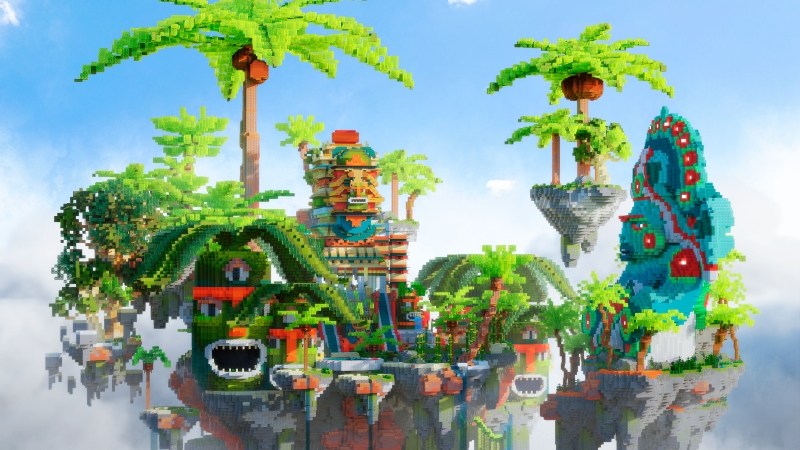
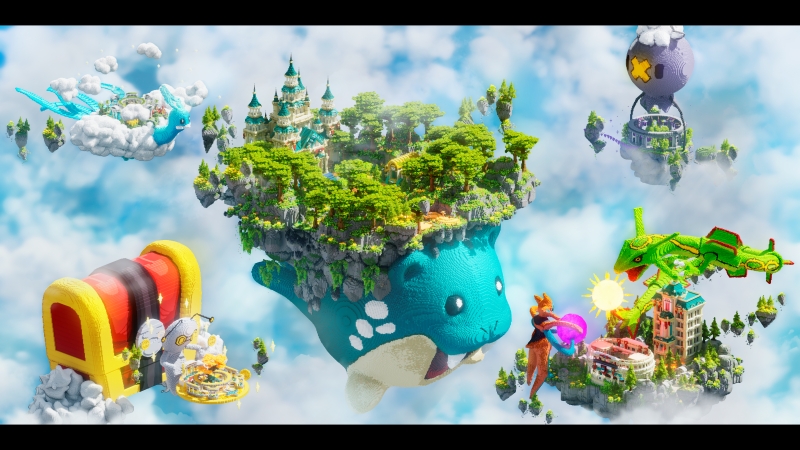
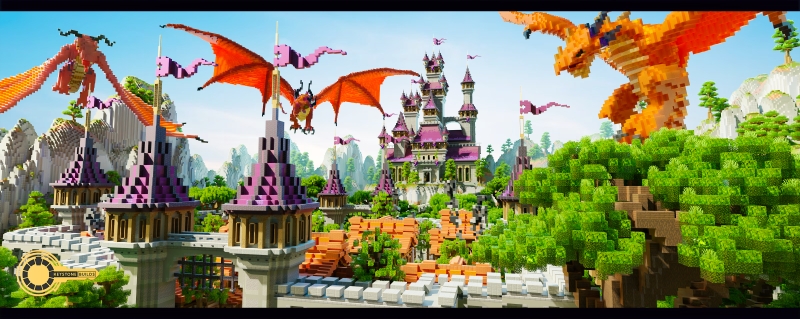
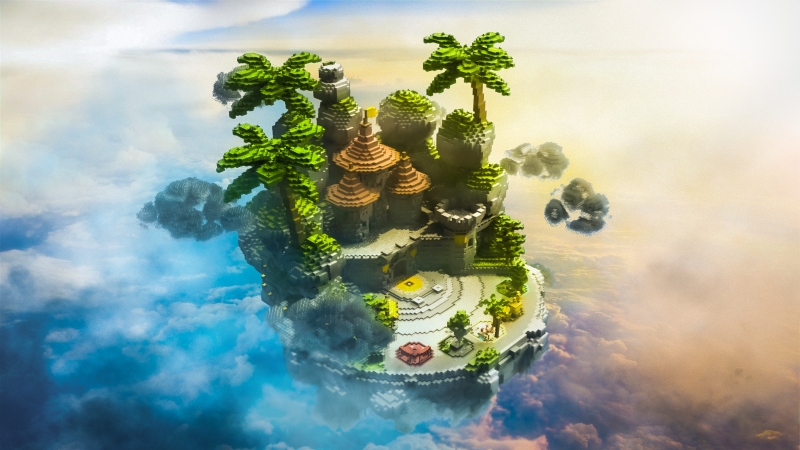
That’s where Keystone Builds Collections comes in. Our pre-built maps are designed specifically for community-driven servers — small worlds with big personalities.
Each map includes:
- Centralized hubs perfect for small groups
- Story-driven layouts for quests and exploration
- Open plots for shared building projects
- Cozy, optimized designs that make small communities feel vibrant
Keystone maps are crafted for creativity, flexibility, and human connection — the exact qualities that define successful Minecraft microservers.
You don’t need a mega-network to create an unforgettable world. You just need a focused vision and a map designed to bring people together.
So if you’re ready to build something more personal, more creative, and more enduring, explore Keystone Builds Collections today. Start small — think big — and let your microserver become the kind of world players never want to leave.
Because in the end, it’s not about how many players you have. It’s about how connected they feel. And that’s what makes Minecraft microservers the future of multiplayer creativity.